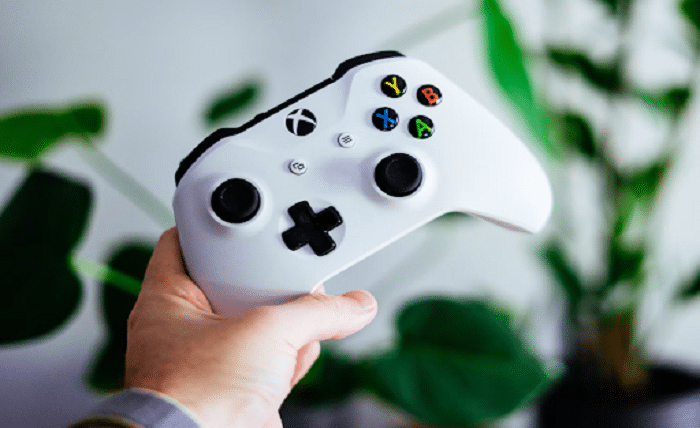
A morning run once required little more than comfortable shoes and a rough idea of the route. Today, the same activity can include live performance statistics, virtual rewards, digital rivals and an animated coach speaking through wireless earbuds. Wearable technology has turned ordinary exercise into an interactive experience, bringing familiar elements from video games into parks, gyms and living rooms.
This shift forms part of a wider change in digital entertainment. A fitness challenge, mobile adventure or crypto casino app may use similar tools to maintain attention, including progress bars, rankings, missions and unlockable rewards. The purpose can vary significantly, but the basic principle remains familiar: visible progress makes an activity feel more engaging. In fitness, that approach can transform repetitive movement into a personal challenge with a clear beginning, target and result.
When Exercise Starts to Feel Like a Game
Fitness trackers initially focused on simple measurements such as step counts, distance and heart rate. Modern devices can monitor sleep quality, recovery, blood oxygen levels, stress and training intensity. Raw numbers alone, however, rarely create lasting motivation. A screen full of statistics can quickly become background noise.
Gamification gives those measurements a sense of purpose. A smartwatch may award a badge after a long walk, maintain a streak for daily activity or compare weekly results with previous records. Some platforms create team competitions, while others build virtual journeys in which every real kilometre moves an avatar across a digital map.
The most interesting products do not merely record exercise after completion. Real-time feedback can change the activity while it is happening. Smart glasses can display pace without forcing a runner to look down. Connected headphones can adjust music to match movement. A haptic vest can respond to action inside a virtual world, making digital training feel surprisingly physical.
Wearables Turning Movement Into Play
Several types of gadgets now sit directly between fitness equipment and gaming hardware:
- Smartwatches transform daily activity into streaks, goals and friendly competitions.
- Virtual reality headsets support boxing, dancing, climbing and rhythm-based workouts.
- Motion sensors translate punches, steps and body movement into game controls.
- Smart rings monitor recovery, sleep and readiness without a large screen.
- Haptic accessories create vibration or resistance during virtual training sessions.
Each category offers a different kind of interaction. A smartwatch adds game mechanics to real movement, while a virtual reality headset places physical movement inside a constructed environment. Motion sensors go further by making the body itself the controller.
Virtual Reality Gives Workouts a New Setting
Traditional exercise can feel repetitive because the surroundings rarely change. A treadmill remains a treadmill, regardless of distance. Virtual reality replaces that fixed setting with mountain paths, boxing arenas, dance floors or futuristic obstacle courses. Physical effort remains real, but the context becomes playful.
This approach can be particularly useful for short home workouts. A structured virtual challenge removes the need to plan a routine, count repetitions or constantly check a timer. The software sets the pace and presents immediate feedback. Points, levels and visual effects can make twenty minutes of movement feel less like a chore.
Still, entertainment should not hide physical limits. A game may encourage one more round even when fatigue is already affecting balance or technique. Safe play requires enough space, sensible session lengths and attention to discomfort. No digital badge is worth a collision with a coffee table.
Competition Can Motivate or Create Pressure
Leaderboards and shared challenges often provide a useful push. Friendly comparison can encourage regular activity and create a sense of belonging. A cycling platform, for example, can connect solo riders through virtual races and group sessions.
Constant comparison can also become discouraging. Fitness levels, health conditions and available time differ from one person to another. Good wearable design recognises those differences by supporting personal targets rather than treating one public ranking as the only measure of success.
What Matters Before Choosing a Fitness Gadget
A useful purchase should match actual habits instead of an imagined lifestyle:
- Comfort matters because an irritating device usually ends up inside a drawer.
- Battery life should suit the length and frequency of normal training sessions.
- Health measurements need clear explanations and realistic accuracy claims.
- Privacy controls should show how personal fitness data is stored and shared.
- Games and subscriptions should provide value beyond a short burst of novelty.
The most expensive gadget is not automatically the best choice. A basic tracker with reliable features may support a routine more effectively than complex equipment requiring constant setup.
The Future of Play May Be More Physical
Wearable gaming is likely to become lighter, more responsive and less dependent on bulky screens. Flexible sensors could monitor movement through clothing, while smarter software may adapt difficulty according to fatigue and recovery. Outdoor games may also combine location data with augmented reality, turning familiar streets into interactive courses.
The strongest ideas will respect both sides of the equation. Fitness needs safe, meaningful movement. Gaming needs curiosity, challenge and enjoyment. When technology balances those qualities, exercise stops feeling like a task measured only in calories. It becomes an experience shaped by progress, imagination and play.