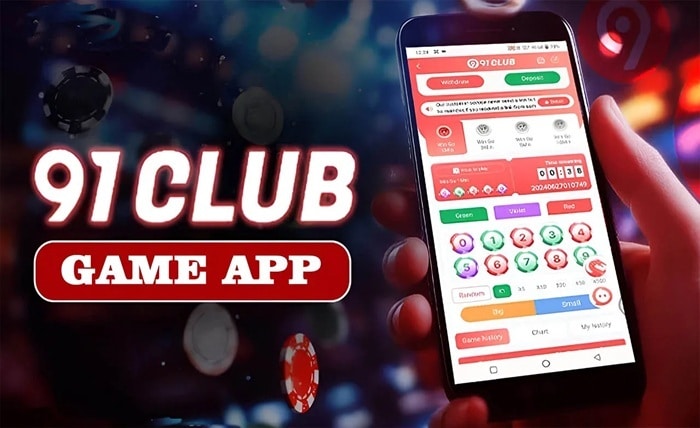
Online accounts are easier to manage when you know how to protect your personal information. Whether you access a gaming platform occasionally or use it regularly, basic security habits can help reduce the risk of unauthorized access. Understanding how to use 91 Club Login carefully is an important step toward protecting your account and personal details.
However, no login method can guarantee complete security. You should always be cautious about unfamiliar websites, suspicious messages, unexpected verification requests, and offers that seem too good to be true. This guide explains practical steps you can follow to improve your online safety.
Why Account Security Matters When Using 91 Club Login
Your login details help protect access to your account. If another person obtains your password or verification code, they may be able to access information or account features without your permission.
Account security is particularly important when you use a shared device, connect through an unfamiliar network, or receive login links through social media. A few simple precautions can make these situations safer.
Before using 91 Club Login, take time to understand the platform’s available security options and privacy practices. Do not assume that a website is trustworthy simply because it looks professional or uses familiar branding.
1. Use a Strong and Unique Password
A strong password is one of the most effective ways to protect an online account. Passwords that are short, predictable, or reused across multiple websites can make accounts easier to compromise.
For example, passwords based on your name, birth year, phone number, or common number combinations are generally poor choices.
How to Create a Strong Password
Follow these practical tips when creating your password:
- Use a long password that is difficult to guess.
- Combine different types of characters when supported.
- Avoid personal information that others might know.
- Never reuse your email password for another account.
- Consider using a reputable password manager to generate and store unique passwords.
If you already use the same password on several websites, change it wherever necessary. Start with your email account because access to your email may allow someone to reset passwords on other services.
When setting up your 91 Club Login credentials, use a password that is unique to that account.
2. Check the Website Before Entering Login Details
Fake websites can imitate legitimate login pages to collect passwords and other sensitive information. These websites may be promoted through advertisements, messaging apps, social media posts, or unsolicited emails.
Before entering your information, confirm that you are visiting the website you intended to access.
Warning Signs of a Suspicious Website
Pay attention to the following signs:
- A domain name containing unexpected spelling changes.
- Pop-ups demanding immediate account verification.
- Requests to download unfamiliar applications or files.
- Messages promising guaranteed rewards in exchange for your password.
- Login pages that redirect you to unrelated websites.
- Requests for sensitive information that does not appear necessary for signing in.
HTTPS and the padlock symbol indicate that a connection is encrypted, but they do not prove that a website is legitimate.
For safer access to 91 Club Login, use a website address obtained from a source you can independently verify. Avoid relying on random links shared by strangers.
3. Never Share Your Password or Verification Code
Your password and one-time verification codes should remain private. Someone may claim to be a customer support representative, account manager, or platform administrator and ask you to share these details.
Do not provide them.
A verification code may be used to confirm your identity or authorize an account action. Sharing it with another person can allow them to complete a process using your account.
Remember these basic rules:
- Never send your password through chat messages.
- Do not share one-time passwords or login verification codes.
- Avoid sending screenshots that reveal account credentials.
- Be cautious of unexpected calls or messages requesting urgent verification.
- Use only independently verified support channels.
If someone claims that your account will be suspended unless you immediately disclose a verification code, treat the request as suspicious.
4. Avoid Logging In on Shared or Public Devices
Using a computer at an internet café, workplace, school, or another public location can expose your information to additional risks.
Other people may use the same device after you, and you may not know whether it has secure software or browser settings.
If you need to access 91 Club Login from a shared device, take extra precautions.
Steps to Protect Your Account
- Avoid saving your password in the browser.
- Do not select options that remember your login details.
- Check that no one is watching while you enter sensitive information.
- Log out completely when you finish.
- Close the browser and remove any downloaded account information.
Whenever possible, use your own trusted device. If you suspect that a shared computer may be compromised, avoid entering passwords or other sensitive details on it.
5. Use a Secure Internet Connection
Your internet connection also plays a role in account security. Public Wi-Fi networks may be poorly secured, and some networks are deliberately created to imitate legitimate hotspots.
Avoid accessing sensitive accounts through unfamiliar Wi-Fi connections, especially when you cannot verify who operates the network.
For routine account access, a trusted home network or your mobile data connection is often a more sensible choice.
Keep your phone, computer, browser, and security software updated. Updates can fix known vulnerabilities and improve protection against certain online threats.
If you use a VPN, choose a reputable provider. A VPN can help protect traffic in some situations, but it does not automatically make a fraudulent website safe or protect you from phishing.
6. Protect Your Email and Phone Number
Your registered email address and phone number may be used for password recovery, identity verification, or important account notifications.
If someone gains access to your email, they may be able to request password resets for other services. For this reason, securing your email account is just as important as securing your 91 Club Login credentials.
Consider the following steps:
- Use a strong, unique email password.
- Enable two-factor authentication on your email account when available.
- Keep your recovery phone number and email address current.
- Review unfamiliar login alerts.
- Never share access to your email inbox with strangers.
If the platform offers additional login security features, review the available options and enable appropriate protections. Do not assume that a particular feature is available unless the official platform documentation confirms it.
7. Recognize Suspicious Messages and Offers
Scammers often use urgency, excitement, or fear to persuade people to reveal personal information.
You might receive a message claiming that you have won a prize, that your account has a problem, or that a special offer will expire within minutes. The message may include a link to a fake login page.
Take a moment to verify the claim before responding.
Be especially careful with messages that request an advance payment to unlock a reward, ask you to install an unknown application, or promise guaranteed financial returns.
Do not trust a message solely because it includes your username or appears to come from a familiar contact. Accounts can be impersonated or compromised.
8. Check Your Account Activity Regularly
Review your account for unfamiliar activity whenever the platform provides a way to do so. Depending on the available features, this might include login history, active sessions, account details, or transaction records.
Look for changes you did not make, unexpected notifications, or activity that you cannot explain.
If you notice something suspicious:
- Change your password using a verified website.
- Sign out of other sessions if that option is available.
- Secure your registered email account.
- Contact verified customer support.
- Review any financial activity associated with the account, if applicable.
If you use the same password elsewhere, change it on those services too. Act quickly if you believe someone has gained unauthorized access.
9. Understand Privacy and Responsible Use
Account safety is not only about preventing unauthorized logins. It also involves understanding how your personal information is collected, stored, and used.
Before registering or providing additional information, read the platform’s privacy policy and terms of service. Check what information is required, how account recovery works, and whether the service explains its security practices clearly.
Avoid sharing identity documents, payment information, or other sensitive details unless there is a legitimate and clearly explained reason to provide them.
If 91 Club is used for gaming or real-money activities in your location, check the applicable laws, age requirements, and platform rules before participating. Never share payment credentials, and do not spend money you cannot afford to lose.
Conclusion
Keeping your account safe while using 91 Club Login starts with everyday habits. Choose a strong and unique password, verify the website address, protect your verification codes, and avoid logging in through unfamiliar devices or suspicious networks.
You should also secure your email account, recognize phishing attempts, and review account activity whenever possible. If something looks unusual, stop and verify it before taking action.
Most importantly, remember that no single security measure eliminates every risk. By combining several precautions and staying alert to suspicious activity, you can make more informed decisions and improve your overall online account security.