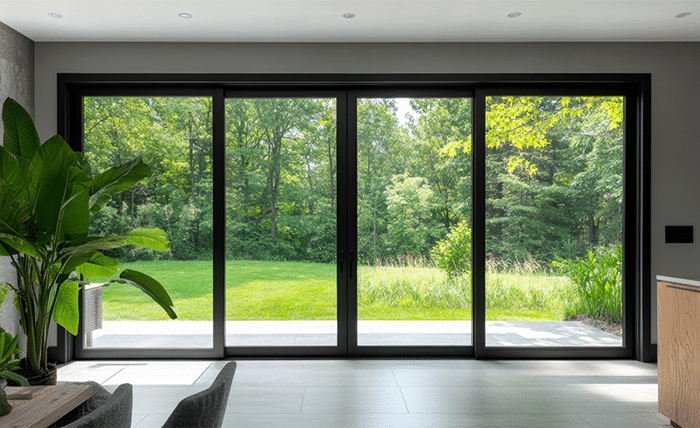
Windows influence much more than the appearance of a home. They affect natural light, ventilation, indoor comfort, energy efficiency, noise levels, and security. With modern homes increasingly using larger glass areas, choosing the right glazing configuration has become an important design decision.
Double-glazed windows and triple-glazed windows are two popular options, but understanding how they differ can help homeowners make a more informed choice.
What Is Window Glazing?
Before comparing different options, it is important to understand what window glazing is. Glazing refers to the glass used within a window frame. A window can have a single pane of glass or multiple panes separated by spaces.
The number of glass panes influences several aspects of window performance. Multiple panes can create additional barriers between indoor and outdoor environments, improving insulation and potentially reducing the transfer of external noise.
Glazing performance also depends on factors such as glass type, pane thickness, the space between panes, frame design, and installation quality.
What Is Double Glazing?
It is a window configuration consisting of two panes of glass separated by a sealed space. This space creates an additional insulating layer between the indoors and outdoors.
Double glazing is widely used in contemporary residential architecture because it offers a practical balance between performance, appearance, and design flexibility. It can be incorporated into different window configurations and is particularly useful when homeowners want improved insulation without significantly changing the visual character of their windows.
Double-glazed windows can also improve indoor comfort by reducing heat transfer through the glass compared with single glazing.
What Are Triple-Glazed Windows?
Triple glazing takes the concept a step further by using three panes of glass, with insulating spaces between them. This creates an additional barrier compared with double glazing.
Triple-glazed windows are often considered where higher levels of thermal insulation and noise reduction are priorities. However, having an additional pane does not automatically mean that triple glazing is the best choice for every home.
The overall performance depends on the complete Aluminium window configuration, including the glass specifications, frame, installation, and the climate in which the window is used.
What’s the Difference: Double vs Triple Glazed Windows?
The difference between double and triple glazed windows mainly comes down to the number of glass panes and their construction. Here are the key distinctions:
- Number of panes: Double glazing has two glass panes, while triple glazing has three.
- Insulation: Triple glazing generally provides an additional insulating barrier compared with double glazing.
- Noise reduction: Both configurations can help reduce external noise, while triple glazing may offer additional acoustic performance depending on the complete specification.
- Weight: Triple glazing is heavier because it uses an additional glass pane. This can influence hardware and frame requirements.
- Light transmission: Adding another pane can slightly affect the amount of light passing through the glazing.
- Design considerations: Triple glazing may require careful consideration of the overall window system because of its increased weight and thickness.
Why Are Double-Glazed Windows Good?
For many Indian homes, double glazing can offer a practical combination of performance and versatility. But why are double-glazed windows good for residential applications?
- Improved insulation: The space between the two panes creates an additional barrier that can reduce heat transfer.
- Greater indoor comfort: Reduced heat exchange can help interiors remain more comfortable in varying weather conditions.
- Noise reduction: Quality glass combined with a well-designed frame can help reduce outside noise, which can be particularly beneficial in busy urban locations.
- Security: Double glazing adds an extra layer of glass, contributing to the window’s overall security.
- Design flexibility: Double glazing can be incorporated into different window configurations and contemporary architectural designs.
Which Glazing Should You Choose?
There is no universal answer. Double glazing can be a suitable choice for homeowners looking for improved insulation, security, and noise reduction while maintaining design versatility. Triple glazing may be worth considering when enhanced insulation or acoustic performance is a particularly important requirement.
The decision should account for the local climate, the property’s orientation, room usage, glass specifications, frame system, and installation quality. It is also important to consider the weight and compatibility of the selected glazing with the overall window design.
For many contemporary Indian homes, well-specified double-glazed aluminium window systems can provide a strong balance between everyday performance and aesthetic appeal, while triple glazing can be considered for projects with more demanding performance requirements.
Conclusion
The real difference between double and triple glazing lies in their construction and the level of insulation and acoustic performance they can potentially provide. However, the number of glass panes should not be the only consideration. The frame, glass specification, gaskets, hardware, installation, and overall window design all contribute to the final performance.
Eternia offers premium aluminium windows designed for contemporary residential spaces that can complement modern architectural requirements. Hindalco developed a special aluminium alloy, Duranium, for Eternia that is 40% stronger than regular aluminium. Eternia provides a 12-year warranty on profiles and a 5-year warranty on hardware, offering homeowners additional confidence when selecting aluminium framed windows for their homes.